

Is a metal roof right for you?
Updated May 21, 2026 . AmFam Team
Getting a new roof is a big deal. It’s a major investment, it protects everything underneath it, and it can completely change the look of your home. If you’re considering metal roofing, you’re not alone. Metal roofs have come a long way, and depending on your home, climate, and budget, they can be a smart, long-lasting option. Here’s a breakdown of what to know before you commit.
What are the types of metal roofs?
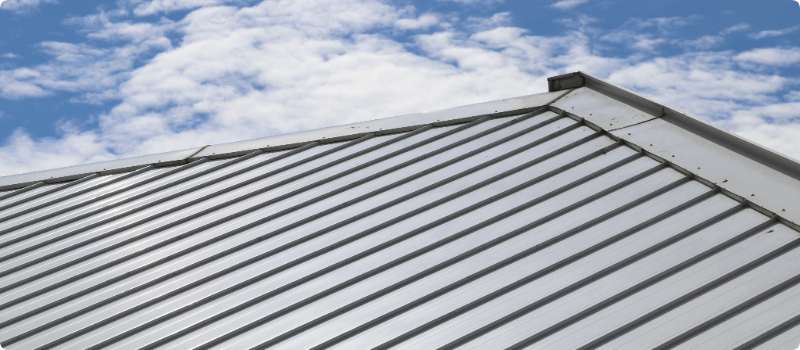
Metal roofs are typically made from materials like steel, aluminum, and copper. While each material has its own unique characteristics, most metal roofs fall into two style categories: metal panels and metal shingles. One has a distinctive look that is clearly a metal roof and the other looks more traditional.
Metal panel roofing
Metal panels offer the clean, modern look you probably picture when you think of a metal roof. Long panels run vertically from the ridge to the eaves, creating crisp lines and a sleek finish. This style can be a great fit for contemporary homes and for homeowners who want a bold, minimalist look.
Metal shingle roofing
Prefer a more traditional look? Metal shingles are designed to mimic classic roof styles with tile, wood shake, or slate options. Many have layered finishes that can include granulated stone topcoats that help them blend in. From the street, they look a lot like traditional shingles, just built with metal.
Why a metal roof can be a great choice
Metal roofs aren’t just about curb appeal. They can bring real performance benefits, especially if you’re looking for durability and fewer replacements over the long run.
Longevity
A metal roof can last a long time, and many manufacturers offer warranties in the 20-50-year range. And, if you have a paint finish on top of the metal, there’s typically a 30-year limited paint warranty, which can help the roof keep its look longer.
Strong protection against the elements
Metal roofs can help protect your home from common weather challenges:
- Water resistance: Properly installed, interlocking panels and seams help keep water out.
- Wind and hail performance: Many systems are designed to handle high winds and are typically more resistant to hail damage.
- Snow shedding: Their smooth surface can help snow slide off more easily. If you live in a snowy climate and want to permanently stop ice dams, this could be your solution.
Resistance to common roof issues
Because metal doesn’t deteriorate like wood or support mold growth the same way some materials can, metal roofs may better resist:
- mildew
- insects
- rot
Depending on how it’s installed and what’s underneath it, some metal roofs may also carry a class A fire rating—the highest rating possible.
Faster installation
Metal roofing can sometimes be installed more quickly than traditional roofing. In certain situations, it may even be installed over an existing roof, which may save tear-off time and expense. Metal is also relatively light, meaning you could reduce structural support needs compared to heavier roof materials.
A more sustainable option
Many metal roofs include a high percentage of recycled content. Then, when they’re eventually replaced, metal is typically recyclable—making them an eco-friendly choice from start to finish!
Energy efficiency
Metal roofs can reflect radiant heat from the sun. Some finishes add specially formulated paint with cool pigments to reflect even more heat, which may help reduce cooling needs in warmer months. To improve cold-weather efficiency, consider increasing the dead-air space between the roof covering and roof deck to boost insulation.
Potential insurance savings
Investing in a metal roof may also help you save on your homeowners insurance. Because metal roofs can be more durable and impact-resistant than other options, some insurers offer better pricing for qualifying roofs. Availability and savings vary, so check with your agent to see if your roof is eligible.
Why a metal roof may not be right for you
Metal roofing has real benefits, but it’s not a perfect fit for every home. Here are a few factors to weigh when making your decision:
Hail impact
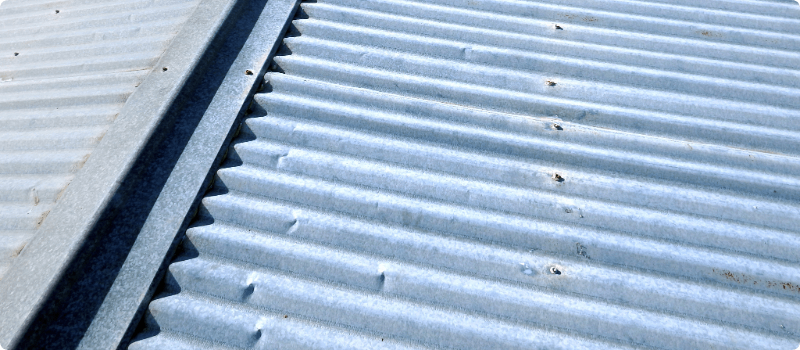
While metal roofs typically handle hail better than shingles, dents can still happen—especially if they’re made from softer metals like aluminum and copper. Some products are engineered for better impact resistance but may cost more.
Paint durability
Painted finishes are durable, but they can wear faster if the roof is frequently walked on or if the panels are scratched during installation. A careful installer makes a big difference.
Higher upfront cost
A metal roof can cost significantly more than asphalt shingles. It may pay off over time due to longevity, but the initial investment can be a hurdle.
Access challenges
If someone needs to access your roof, you’ll want to take additional safety precautions. Metal roofs can be slippery, especially when wet, and not every system is designed to support a person’s weight. Even routine tasks like cleaning gutters may require extra care.
Expansion and contraction
Metal roofs expand in hot weather and contract when it’s cold. A properly designed fastening system helps accommodate temperature-related movement but keep an eye out for loose fasteners or visible waviness that may develop over time.
Firefighting entry
While metal roofs offer strong protection from exterior fire exposure, they can create some issues if the fire starts inside. Firemen often cut through the roof to put out a fire, but a metal roof can make this much more difficult.
Noise
Rain and hail can sound louder on a metal roof. If that would bother you, ask your contractor about insulation and structural options that can help muffle the noise.
Repairs and matching concerns
Because metal roofing comes in big sheets, making small repairs can be more involved. And if you add onto your home later, matching color or profile may be tricky.
What to look for when shopping for a metal roof
If you’ve weighed your options and are leaning toward metal, here are a few features worth asking about:
- PVDF (polyvinylidene difluoride) coating: Often considered one of the best options for resisting fading, staining, and chalking, and it typically comes in a wide range of colors.
- Self-cleaning valleys: Helps move water and debris efficiently, which can reduce the risk of backups and leaks.
- Clear warranties: Look for warranties that cover the product, finish, and installation—and confirm who backs each one.
- Certified products: Ask whether the product meets industry standards. The metal construction association (Opens in a new tab) has a quality certification program that recognizes products made to pre-defined standards in terms of raw materials and process.
- Ventilation: Good attic ventilation helps with summer heat and can reduce winter issues like ice dams.
- Quality flashing: Flashing around chimneys, skylights, and roof transitions matters as much as the panels themselves. Make sure you understand how it will be handled in these areas.

Ensure your new roof is covered
Once you’ve chosen your roof and you’re ready to move forward, it’s a good idea to reach out to your American Family Insurance agent to review your homeowners insurance policy and make sure it’s up-to-date.
Plus, a newer roof could help you save on your home insurance. If you’ve recently replaced your roof or built a new home, you could qualify for savings on your homeowners insurance with American Family.* Talk to your agent or get a custom online quote today.
This article is for informational purposes only and includes information widely available through different sources. This article does not afford, offer, or guarantee any coverage.
This information represents only a brief description of coverages, is not part of your policy, and is not a promise or guarantee of coverage. If there is any conflict between this information and your policy, the provisions of the policy will prevail. Insurance policy terms and conditions may apply. Exclusions may apply to policies, endorsements, or riders. Coverage may vary by state and may be subject to change. Some products are not available in every state. Please read your policy and contact your agent for assistance.
*Discount, savings and product eligibility varies based on the way you purchase insurance, by state, property type and policy form. Discounts may not apply to all coverages on an auto or home policy. Exclusions may apply.


